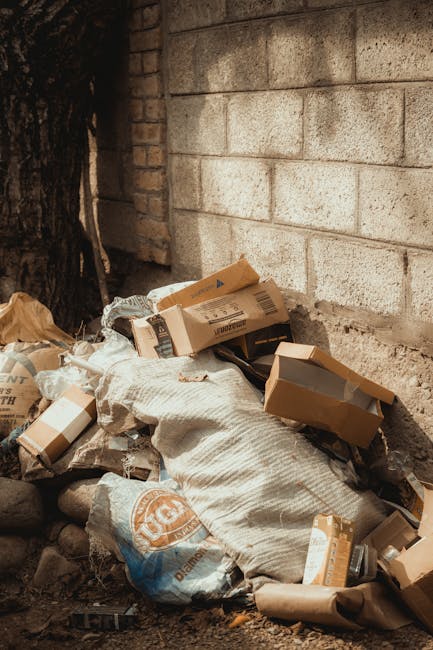
Wandsworth Town rubbish removal guide for busy residents

If you live in Wandsworth Town and your week already feels packed before it has even started, rubbish removal can quickly slip to the bottom of the list. Bags in the hallway, a broken wardrobe in the spare room, builder's waste by the back gate, or a flat that needs clearing before a move-out date - it all adds pressure. This Wandsworth Town rubbish removal guide for busy residents is here to make the process simpler, calmer, and a lot more manageable.
Truth be told, most people do not need a complicated lecture about waste. They need a clear plan: what can be cleared, how to organise it quickly, what to avoid, and when it makes sense to bring in help. That is what this guide covers, with practical local advice for flats, houses, offices, gardens, garages, lofts, and those awkward bits that somehow collect clutter on their own.
Whether you are trying to reclaim a room, prepare for a tenancy change, or just get rid of the stuff that has been hanging around far too long, the aim is the same: save time, reduce stress, and get the job done properly.
Why Wandsworth Town rubbish removal guide for busy residents Matters
Wandsworth Town is one of those places where life moves quickly. People commute, work late, juggle families, and squeeze admin into the gaps between everything else. So when unwanted items start building up, they do not just take up physical space. They also take up mental space. You notice them every time you walk past. A chair with a wobbly leg. A stack of cardboard boxes. A bag of mixed junk waiting for a "free minute" that never quite arrives.
That is why a proper rubbish removal plan matters. Not because clutter is a moral failing - not at all - but because busy homes and busy schedules need a practical system. Left too long, waste can start causing inconvenience, odours, blocked access, or just that low-level irritation that makes the home feel less restful than it should.
There is also a local reality to consider. In flats, terraces, and shared buildings, rubbish left in the wrong place can become a nuisance quickly. In garden access spaces or narrow entrances, large items can be awkward to move safely. And if you are handling a mixed load, it helps to know what needs separate treatment, what can be donated, and what really ought to be collected and disposed of by trained professionals.
Practical takeaway: the quicker you sort your waste into clear categories, the easier it becomes to remove it without turning the whole thing into a weekend project. Sometimes the biggest win is simply getting your space back. That, and being able to see the floor again.
How Wandsworth Town rubbish removal guide for busy residents Works
At a practical level, rubbish removal is about moving unwanted items from your property to the right disposal route with as little disruption as possible. For busy residents, the easiest version is usually a collection arranged around your schedule, with someone else doing the lifting, loading, and responsible disposal.
The process often starts with a quick assessment of what needs to go. That might be a few bulky items, several bags of mixed household rubbish, or a larger load from a flat clearance, loft clearance, garage clearance, or office clearance. If you are dealing with a bigger or more awkward job, a service such as general waste removal can be a straightforward way to handle the whole lot in one go.
From there, the main stages are usually:
- identifying the waste type and approximate volume
- choosing a suitable collection time
- making access as easy as possible on the day
- lifting and loading items safely
- sorting items for recycling, reuse, or disposal where appropriate
That sounds simple, and mostly it is. But the details matter. A small flat with a tight stairwell, for example, can take longer than people expect. A house with a garage or loft full of mixed items often needs more sorting before collection begins. Builders' debris can be heavier and messier than standard household waste. And then there are furniture items that are too bulky for ordinary bin collections but still perfectly manageable when a team knows what it is doing.
If your job is mostly old sofas, dining chairs, beds, wardrobes, or similar pieces, it is worth looking at furniture disposal options or a more tailored furniture clearance service. For larger domestic projects, home clearance or house clearance can cover a broader range of items.
And yes, the best-run jobs are usually the boring-looking ones: clear instructions, sensible preparation, no last-minute panic. A little unglamorous, maybe. Very effective, though.
Key Benefits and Practical Advantages
For busy residents, the biggest benefit is time. But that is only the start. Done properly, local rubbish removal can reduce stress, protect your property, and make decision-making much easier when life is already crowded.
- Time savings: no repeated tip runs, no hunting for permits, no wrestling with bulky furniture down stairs on your own.
- Less physical strain: heavy lifting is where people often get caught out, especially with awkward items or mixed waste.
- Better sorting: when a service knows how to separate materials, more items can be channelled into recycling or reuse.
- Cleaner spaces sooner: ideal before a tenancy handover, renovation, sale, refit, or family visit.
- Less disruption: a well-planned collection can fit around work, school runs, deliveries, or building schedules.
There is also a peace-of-mind angle that gets overlooked. If you are clearing items after a change in circumstances - moving house, downsizing, sorting a probate property, or handling a long-overdue declutter - it helps to know the job is being approached sensibly. Not rushed. Not dumped. Sensibly.
Environmental handling matters too. Responsible operators should make reasonable efforts to divert suitable materials away from landfill where practical. You can see that approach reflected in services such as recycling and sustainability, which is especially relevant if you want a cleaner home without taking a careless approach to disposal.
Expert summary: for most busy residents, the best rubbish removal solution is the one that removes friction as well as waste. It should be easy to book, easy to access, and easy to trust. If it creates more admin than it removes, it is probably the wrong fit.
Who This Is For and When It Makes Sense
This guide is for people who want a practical solution, not a weekend of wrestling with bin bags and a car full of broken furniture. It is especially useful if you live in a flat, a shared building, a terraced house with limited storage, or a property where access is tight and time is precious.
It tends to make sense for:
- busy professionals who cannot spare half a day for tip runs
- families dealing with accumulation in lofts, garages, or spare rooms
- landlords preparing a property between tenancies
- tenants needing to leave a flat clear and tidy
- homeowners clearing before decorating or selling
- local businesses removing old stock, fixtures, or office waste
- people handling a one-off bulky item or a full room clearance
For example, a two-bedroom flat can feel completely different after a simple clearance of old furniture and packaging. Likewise, a garage that has turned into a "temporary storage zone" for bikes, paint tins, and random boxes can become usable again very quickly once the right items are removed. That can be the difference between chaos and actual, usable space.
If your needs are more specialised, there are dedicated services that may suit you better. A renovation or refurbishment job often calls for builders' waste clearance. A business premises may need business waste removal. A cluttered attic or storage area is often better matched to loft clearance or garage clearance.
When the job is smaller, you may not need a full property clearance at all. That is fine. The point is to match the method to the actual problem, not the other way around.
Step-by-Step Guidance
If you want the cleanest possible process, a bit of preparation goes a long way. Here is a simple method that works well for busy households and small businesses alike.
- Walk through the space first. Identify what is going, what is staying, and what might need special handling. Be strict with yourself here. That old chair "you might fix one day" has often been sitting there for three years.
- Group items by type. Put furniture together, bag general rubbish separately, and isolate anything potentially hazardous or restricted.
- Measure awkward items. Large wardrobes, sofa beds, or heavy appliances can be more challenging than they look. Door widths and stair turns matter more than people expect.
- Clear the access route. Move shoes, plants, recycling boxes, or storage tubs out of the way so the collection team can work safely.
- Take photos if needed. This is useful for larger jobs, especially if you want a quote that reflects the likely volume and access conditions.
- Confirm timing and access details. Flat numbers, entry codes, parking realities, lift availability, and loading restrictions all help the day go smoothly.
- Keep important items separate. It sounds obvious, but it is easy to accidentally include documents, chargers, keys, or sentimental bits when clearing in a hurry.
- Ask about disposal routes. Responsible handling should include sorting for reuse, recycling, and disposal where practical.
A good rule of thumb: the more you prepare, the less you pay in stress later. Not necessarily in money, just in hassle. And hassle is expensive in its own way.
If you are planning around a larger house move or a long-overdue clear-out, a broader flat clearance service can be especially useful when several categories of waste are mixed together. For people clearing every part of a property, a wider home clearance is often the better fit.
Expert Tips for Better Results
Over time, the jobs that run smoothly tend to share the same habits. Nothing flashy. Just sensible planning and a bit of discipline.
- Clear the easy items first. If you remove obvious clutter before the collection day, the rest of the job becomes far less stressful.
- Do not mix keep and dispose piles. Keep one "definitely going" area and one "maybe" area. Mixing them creates second-guessing later.
- Schedule around your own energy. If mornings are always hectic, do not book a collection at the same time you are doing school drop-off and answering emails.
- Use one room at a time. This avoids the whole property becoming a temporary mess. A little discipline here saves a lot of backtracking.
- Be realistic about bulky waste. Sofas, mattresses, shelving, and broken cabinets often take more space than people think.
- Check for reusable items. If something is in decent condition, it may be better handled through the right furniture route rather than treated as mixed waste.
One small but useful trick: if you are unsure about an item, place a coloured note on it before the team arrives. Blue for keep, yellow for maybe, red for remove. Old-school, yes. Surprisingly effective. It prevents that awkward moment when someone says, "Wait, was that going?" and nobody can quite remember.
For extra confidence, it is sensible to check practical and financial details in advance. The page on pricing and quotes can help set expectations, while payment and security is worth reviewing if you want to understand how the booking side is handled.
Common Mistakes to Avoid
Most rubbish removal problems are avoidable. That is the good news. The less good news is that they are usually caused by rushing, guessing, or assuming every load is the same.
- Leaving everything until the last minute. This is the classic one. It turns a manageable job into a scramble.
- Underestimating volume. A "few bags" can become a van-load once you start sorting properly.
- Forgetting access issues. Narrow hallways, parking restrictions, stairs, and lift access all affect the process.
- Mixing restricted items with standard waste. Some materials need extra care, so do not assume everything can go in one pile.
- Not separating items worth keeping or donating. Once it is gone, it is gone. That sounds obvious, but people still lose things this way.
- Choosing purely on speed. Fast is good. Fast without care is not.
Another common one? Not checking what the team actually needs on arrival. A front door code, a clear landing, or a quick heads-up about parking can make a huge difference. Tiny thing, big impact.
If you are handling heavy or fragile furnishings, it is worth reading up on furniture clearance and furniture disposal so you have a better idea of what gets collected, what gets reused, and what may need separate treatment.
Tools, Resources and Recommendations
You do not need a huge toolkit for rubbish removal, but a few practical items make the process easier and safer.
| Tool or resource | Why it helps | Best use case |
|---|---|---|
| Strong bin bags | Useful for smaller mixed waste and loose items | Kitchen clear-outs, cupboard clutter, general rubbish |
| Marker labels | Makes sorting easier on busy days | Multi-room clearances, keep/remove decisions |
| Measuring tape | Helps with bulky furniture and access checks | Sofas, wardrobes, appliances, stairwells |
| Protective gloves | Reduces the chance of minor cuts or grime contact | Garage, loft, garden, and builder waste jobs |
| Photos of the load | Helps estimate scale and access needs | Quotes for larger or mixed clearances |
For certain jobs, specialist services are the smarter recommendation. A shed overflow or patio clean-up is a better match for garden clearance. A work-from-home room that has become a storage space may need office clearance. A building project after a remodel is better served by builders' waste clearance.
There is also value in understanding the company you are dealing with. Pages like about us, insurance and safety, and health and safety policy help you judge whether a provider has the right standards for a tidy, responsible job.
Law, Compliance, Standards, or Best Practice
Waste and clearance work in the UK should always be handled responsibly. You do not need to become a compliance expert to arrange a collection, but it does help to understand the general principles.
At a basic level, a reputable waste service should handle waste lawfully, work safely, and dispose of items through appropriate routes. That means thinking about recycling, reuse, safe handling, and proper disposal rather than treating everything as one undifferentiated pile. Good practice also includes being careful with access, lifting, and site safety, especially in shared buildings or tight residential streets.
For busy residents, the key questions are practical:
- Will the waste be handled responsibly?
- Are fragile, heavy, or awkward items managed safely?
- Is the service clear about what it can and cannot take?
- Are pricing and payment explained properly before work starts?
That is where trust matters. A clear terms and conditions page can be useful for understanding the scope of service, while the complaints procedure matters because a reliable company should have a straightforward way to deal with problems if something does not go to plan.
One more practical note: if you are arranging a clearance for a rental property, shared building, or business premises, keep access, timing, and responsibility clear from the start. That simple step avoids a surprising number of headaches.
Options, Methods, or Comparison Table
There is more than one way to deal with rubbish in Wandsworth Town. The best option depends on time, item type, access, and how much effort you want to spend. To be fair, most people just want the least stressful choice that still does the job properly.
| Method | Best for | Advantages | Limitations |
|---|---|---|---|
| Self-clearance | Small loads, light items, plenty of spare time | Can suit very small jobs | Time-consuming, physically tiring, access and disposal can be awkward |
| Bulky item collection | One or two large pieces | Useful for sofas, beds, wardrobes | Less suited to mixed or multi-room clear-outs |
| Full waste removal service | Mixed household waste, clutter, renovation leftovers | Fast, flexible, less effort for the resident | Needs clear access and decent initial sorting |
| Specialist clearance | Lofts, garages, flats, offices, gardens, builders' debris | Better matched to the specific job | Requires choosing the right service type |
In many busy households, the most efficient route is a targeted service rather than trying to DIY everything. If the job is mainly a flat full of accumulated items, flat clearance is usually more appropriate than a general tidy-up. For a larger property with multiple areas to sort, house clearance is often the better comparison point.
There is no prize for making waste removal harder than it needs to be. Really, there isn't.
Case Study or Real-World Example
Here is a typical scenario that comes up again and again in Wandsworth Town. A couple living in a third-floor flat have spent months collecting boxes, a broken bedside table, a spare chair, old luggage, and packaging from a home-office setup. Nothing dramatic on its own. But together? The spare room has become more storage unit than bedroom.
They both work full-time. One leaves early, the other gets back late. Weekends disappear into chores, shopping, and visiting family. So the clutter just sits there. Every time they open the door, it reminds them that the room is not being used properly.
What helps in a case like this is a structured approach:
- they sort everything into keep, donate, and remove piles
- they measure the bulky chair and table to make sure access is manageable
- they separate bagged rubbish from reusable furniture
- they book a collection time that fits around work
- they make sure the hallway is clear so the job can be done quickly
By the end of the day, the room is available again. Not polished, not styled for a magazine shoot, just properly usable. That is the real win. One empty room, one clear head, a bit more breathing space. Simple, but powerful.
That same logic applies to a garage full of old tools, a loft with years of forgotten boxes, or a small office that needs clearing before a refit. The setting changes, but the principle stays the same: plan it, sort it, remove it, move on.
Practical Checklist
Use this quick checklist before your collection day. It is not fancy. It just works.
- Identify the exact items you want removed.
- Separate keep, donate, recycle, and dispose piles.
- Measure any bulky furniture or awkward items.
- Check access points, stairs, lifts, and parking space.
- Clear hallways and doorways.
- Remove personal items, documents, and valuables.
- Take photos if the job is large or mixed.
- Confirm the collection time and any entry instructions.
- Ask about the disposal route for reusable items.
- Keep the service information, quote, and booking details together.
If you want a little extra reassurance, review the company's payment and security information and recycling and sustainability approach before you book. It is a small step, but it often tells you a lot.
Get a free quote today and see how much you can save.
Conclusion
For busy residents, rubbish removal should feel like relief, not another project. The best approach is usually the one that matches your actual space, your schedule, and the type of waste you need gone. Start with a clear sort, choose the right service for the job, and make the access as easy as you can. That alone removes a lot of stress.
If you are dealing with furniture, mixed household clutter, a garage that has got out of hand, or a flat that needs clearing before the next chapter begins, there is usually a sensible way through it. Not a perfect one. Just a good, practical one that gets your home back under control.
And once the clutter is gone, the room feels different. Quieter, somehow. A bit lighter. That is often the moment people realise how much space they had been missing.
Frequently Asked Questions
What is the easiest rubbish removal option for busy residents in Wandsworth Town?
For most busy residents, the easiest option is a collection-based waste removal service that handles lifting, loading, and disposal for you. It saves time and avoids the hassle of arranging multiple trips yourself.
Can rubbish removal help with bulky furniture?
Yes. Large items such as sofas, beds, wardrobes, and chairs are commonly handled through furniture-focused services or broader clearance appointments. It is usually much easier than trying to move them yourself.
Is flat clearance different from general waste removal?
Often, yes. Flat clearance is usually better suited to clearing a whole apartment or a substantial portion of one, while general waste removal can work well for mixed waste, clutter, and smaller loads.
How do I prepare for a rubbish collection if I am short on time?
Keep it simple. Sort items into keep and remove piles, clear the access route, and identify anything bulky or awkward in advance. Even ten minutes of preparation can make the process much smoother.
What should I do with items that might still be reusable?
Set them aside separately. Reusable furniture or household items may be better handled through a furniture clearance or disposal route rather than mixed with general rubbish. That makes sorting easier and more responsible.
How do I know which service I need?
Match the service to the job. Gardens need garden clearance, garages need garage clearance, offices need office clearance, and building leftovers usually need builders' waste clearance. For mixed household clutter, waste removal or home clearance may be the better fit.
Is rubbish removal suitable for landlords and tenants?
Yes. It is commonly used between tenancies, at the end of a lease, or when a property needs to be made ready quickly. Clear communication about access and responsibility is the key thing.
Can rubbish removal be done in narrow streets or flats with limited access?
Usually yes, but access details matter a lot. Narrow staircases, no lift, parking restrictions, and entry codes should be explained in advance so the team can plan properly.
What if I only have a few items to get rid of?
You may not need a full clearance. A smaller waste removal job or furniture collection can be enough. The most efficient option is the one that matches the actual load, not the biggest service available.
Should I review company policies before booking?
Yes, that is a sensible habit. Pages such as terms and conditions, insurance and safety, complaints procedure, and pricing and quotes can help you understand how the service works and what to expect.
Does rubbish removal include recycling?
Often it should include reasonable efforts to separate recyclable or reusable materials where practical. It is worth checking a provider's recycling and sustainability approach so you know how items are handled.
How far in advance should I book rubbish removal?
As soon as you know the timing matters. Busy households often benefit from booking earlier rather than later, especially if the clear-out needs to fit around work, moving dates, or building schedules.