Wandsworth house clearance for homes, flats and larger clear-outs
Wandsworth House Clearance provides house clearance in Wandsworth for homes that need furniture removed, rooms emptied or whole properties cleared in an orderly way. The service is built around practical domestic clearance work, whether that means a single bulky item, a loft full of stored belongings or a more involved property clearance after a move or change of occupancy. Our approach is to keep the work straightforward for the customer and organised from start to finish.
We handle a broad range of household items, including general furniture, unwanted appliances where appropriate, mixed contents and awkward pieces that are difficult to move without help. If you need to clear a flat, a terrace house or a larger family property, the work can usually be planned around the items, the access and the amount of sorting required. If you are comparing options, you can start by looking at the house clearance service and then decide what level of help best matches your property.
For a clear cost outline, it helps to give a simple description of the rooms involved and the type of contents to be taken away. You do not need to overstate the job; the useful details are usually the ones that affect loading, access and the final volume. If you are ready to move forward, ask for a pricing and quotes discussion and arrange the next step at a pace that suits you.
House clearance work for different property types
House clearance is rarely the same from one property to the next, so the service needs to stay flexible. Some customers want one room cleared so they can redecorate or prepare for sale, while others need a complete clear-out after years of accumulated belongings. In either case, the aim is to remove items carefully, keep the process manageable and leave the property ready for whatever comes next. We can also assist with item separation where there are pieces to keep, donate or remove.
We also offer support for properties where the contents are mixed and the layout makes moving items awkward. That may include upstairs rooms, narrow stairs, shared entrances or a property where access needs to be planned in advance. For more targeted domestic jobs, the home clearance page gives another route through the service options, while the flat clearance page is useful if you are dealing with a compact home or upper-floor property.
What is typically cleared
Typical house clearance work can include sofas, tables, wardrobes, beds, chairs, white goods where suitable, ornaments, boxed belongings and mixed household contents. It can also include items from understairs spaces, cupboards and airing cupboards, provided they are safe and accessible. When items are large or heavy, the practical question is not simply whether they can be moved, but how they will be taken out without causing avoidable disruption to the property. Clear instructions about what stays and what goes keep the job efficient and reduce confusion on the day.
Rooms, lofts and garages that need more than a quick tidy

Many clearance jobs begin in the parts of a property that have been used for storage for years rather than everyday living. Lofts, garages and spare rooms often contain a mixed collection of older furniture, boxes, hobby equipment and items that were put aside with the intention of being sorted later. A structured clearance can make these spaces usable again without the customer having to manage heavy lifting or repeated trips to the tip. For this kind of work, the loft clearance and garage clearance pages are the most relevant service pages to review.
If the clearance involves a wider home clean-out, the work can extend beyond one room and cover several spaces in the same visit. That might include a living room, landing storage, a spare bedroom and any accessible cupboards that form part of the agreed job. Where the focus is more on general domestic contents rather than one specific room, the home clearance information is useful, because it covers the kind of whole-property work that often needs careful sorting and removal planning.
Practical preparation is usually simple: note any items that must stay, separate paperwork or valuables in advance, and make sure access routes are as clear as possible. If photographs are available, they can help with assessing the scale of the job, but written detail is just as valuable when it accurately describes the rooms and the amount of furniture involved. Those basics make it easier to prepare a quote that reflects the real work rather than a guess.
Furniture removal and disposal with sensible handling
Furniture removal is often the core part of a house clearance, especially when rooms are full of bulky pieces that take time and care to shift safely. Large items such as wardrobes, beds, chest units, sofas and dining tables need handling that takes account of weight, awkward corners and damage risk to walls or flooring. We can remove single items or multiple pieces as part of a broader clearance, depending on what needs to go and how the rooms are arranged.
Where the job is primarily furniture-led, the relevant pages can help you separate the type of work you need. The furniture clearance page is suited to bulky household items, while the furniture disposal page covers items that are no longer needed and are ready to be taken away. If the items are part of a wider home or house clearance, those services remain available as the more complete option for mixed contents and multiple rooms.
The practical difference between moving a single item and clearing several is usually in the planning. Single-item removal can often be straightforward, but larger furniture jobs may need careful sequencing so that heavier pieces are removed before smaller loose contents. That is especially important when stairways are narrow or when the property has limited parking or shared access. A good quotation takes those details into account so the job is set up sensibly from the beginning.
Office and business waste removal where mixed contents need sorting
Although the main focus here is domestic clearance, Wandsworth House Clearance also supports business customers who need straightforward removal of office or commercial contents. That can include desks, chairs, filing items, shelving, packaging material and other non-hazardous waste that needs to be cleared from an office, workshop or similar workplace. The aim is to keep the process orderly, so the premises can be prepared for handover, refitting or a change of use without unnecessary disruption.
For commercial premises, the most relevant pages are the office clearance and business waste removal services. These are useful when the job is less about domestic furniture and more about removing mixed workplace contents in a controlled way. If the work includes renovation debris as well as furniture, the builders waste clearance page may also be relevant, provided the waste type matches what is listed there.
How to describe a commercial job clearly
For quotation purposes, it helps to state whether the job is a one-room office, a multi-room workplace or a site with storage areas and separate items to be removed. Access information matters just as much in business settings as it does in homes, especially where loading areas, lifts or shared entrances are involved. Where a commercial customer needs both contents removal and waste clearance, a single organised plan is usually more useful than splitting the work into disconnected tasks.
Garden and outside areas that need clearing back to a usable state
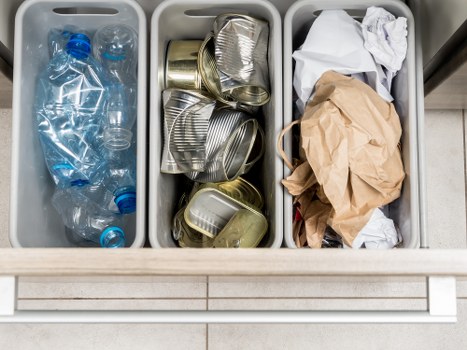
Outdoor spaces can build up with broken furniture, plant pots, old timber, garden tools and seasonal items that no longer serve a purpose. Garden clearance is useful when a yard, patio, shed or rear garden needs to be emptied of clutter so the space can be maintained more easily or prepared for further work. The job may involve carrying items from the back of a property, moving material through side access or dealing with mixed outdoor contents that are too bulky for simple bagging.
The garden clearance page is the best starting point when outside spaces are the main concern. Where the job is broader and includes household items as well as outdoor debris, the house or home clearance services may be the better fit. If the waste includes heavier renovation material, the builders waste clearance page gives a more specific route for understanding that type of removal work.
Outdoor clearances often benefit from a brief list of what is present, because garden spaces can hold a surprising mix of items: old furniture, panels, broken plant containers, children’s outdoor equipment and general waste left after repeated projects. A clear description helps separate the items that can be taken as part of the job from those that should remain on site. If the area is difficult to access, mention that early so the right equipment and loading approach can be planned.
Planning a quotation without overcomplicating the process
Most customers do not need to produce a long inventory to request a quotation. A practical summary is often enough: the type of property, the rooms or spaces involved, the main items to be removed and whether there are access issues that might affect loading. If photographs are available, they can support the description, but they are not the only useful source of information. What matters most is that the quote reflects the real scope of the clearance and not an incomplete outline.
The pricing and quotes page is the most relevant place to begin when you want to understand how the service can be priced. For customers who want to discuss the booking process or ask a practical question before arranging the work, the contact us page is the clearest route. If you are still comparing the available service types, the page for waste removal may also help distinguish general removal work from a full property clearance.
It is often worth deciding in advance whether the job is a sort-and-remove clearance or a simple take-away of obvious items. The more specific that decision is, the easier it is to keep the job focused and avoid clearing things that were meant to stay. You can always start with a short description and then expand it if there are awkward rooms, stairs or mixed contents that need more explanation. Please request a quotation when you are ready.
House clearance, waste removal and related service choices
The difference between a house clearance and a general waste removal job is usually in the amount of sorting and the type of contents involved. A house clearance is often better when a property contains a mixture of furniture, household effects and items spread across several rooms. Waste removal can be the better choice when the priority is moving away loose unwanted material rather than dealing with a full domestic contents clear-out. Keeping those distinctions in mind makes it easier to choose the service that fits the job.
For customers who want a broader view of how different clearance jobs are handled, the website’s supporting pages also include the recycling and sustainability information and the insurance and safety page. Those pages are useful when you want to understand the company’s approach to responsible handling and safety matters. If the job is focused on a single room or on furniture alone, you may find it quicker to go directly to the most specific service page rather than starting from a general waste page.
One helpful rule is to choose the most detailed service page that still matches the job honestly. That usually leads to clearer expectations, less back-and-forth and a better understanding of what will actually be removed. If the clearance includes pieces you want retained, separate them before the work begins. If you are unsure which page fits best, you can make the enquiry in plain terms and let the service details be matched afterwards.
About Wandsworth

Wandsworth is a district in south-west London on the south bank of the River Thames, and it combines riverside stretches, busy transport corridors and long-established residential neighbourhoods. The River Wandle joins the Thames in this part of London, and the borough’s name is strongly associated with both the river and the old settlement that developed around it. Wandsworth has a varied urban character, with Victorian and Edwardian terraces, later apartment buildings and pockets of open space that give the area a mixed residential feel. Wandsworth Common is one of the best-known green spaces, while Battersea Park lies close by along the riverfront and remains part of the wider local landscape. The district also includes well-used commercial streets and civic landmarks, giving it a balance between local everyday life and larger city connections. Wandsworth Town railway station links the area with central London, and several road routes connect the district with neighbouring parts of the capital. The borough has a long industrial history, but much of the visible landscape today is shaped by housing, shops, schools and leisure spaces. This mix of waterways, transport links, public parks and layered development has made Wandsworth a recognisable part of London’s southern river corridor, with a character that is both urban and distinctly local.
Clearing after a move, refurbishment or change of occupancy
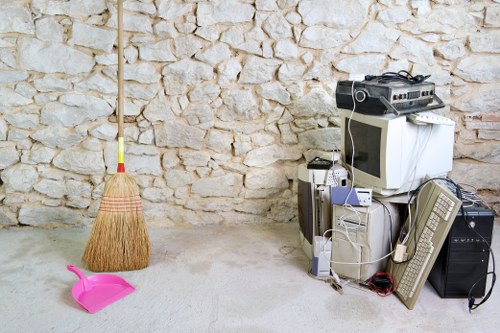
Some clearance jobs arise because a property has changed hands, is being prepared for letting or has just come out of a refurbishment. In those situations, the work may involve more than obvious furniture removal; there can be mixed household items, boxed belongings, small fixtures or leftover contents that were not worth keeping once the main changes were complete. The aim is to leave the space in a workable state without turning the job into an overcomplicated project.
When a property needs a broader contents clear-out after occupancy changes, the house clearance and flat clearance pages remain the most directly relevant starting points. If the work is limited to a room or two, or if the main issue is bulky furniture that has to be removed before other trades can continue, the furniture-focused pages may be more appropriate. The right choice depends on whether you need general clearing, item removal or a combination of both.
Get in touch when you have a clear idea of the rooms, items and access involved, and we can help you move from a rough plan to a practical quotation. For a straightforward next step, use the contact page and ask for a quote.