Smart Methods to Lower Manufacturing Waste Efficiently
The manufacturing industry plays a crucial role in shaping economies and providing products that meet consumer demands. However, it also contributes significantly to waste generation, which poses environmental and economic challenges. Embracing smart methods to lower manufacturing waste efficiently can lead to sustainable practices, reduced operational costs, and a healthier planet.
Understanding Manufacturing Waste
Manufacturing waste comprises a broad category of materials that are discarded during the production process. This includes excess materials, defective products, and by-products. Efficient waste management is essential to reduce environmental impacts and optimize production processes.
Major Types of Manufacturing Waste
- Material Waste: This involves unused raw materials and defective items.
- Energy Waste: Excessive use of electricity, gas, and other energy forms during production.
- Time Waste: Delays and downtime that hinder productivity.
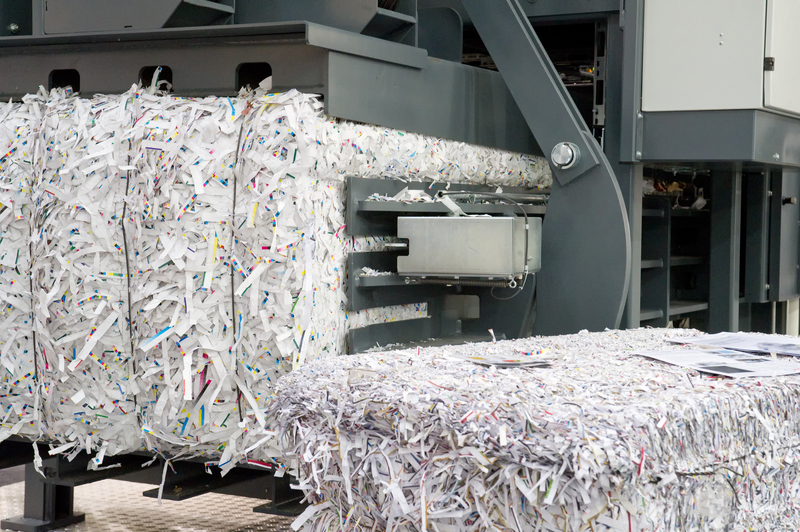
Importance of Reducing Manufacturing Waste
Reducing manufacturing waste is not just about environmental conservation; it also boosts operational efficiency and cuts down costs. Businesses that adopt waste reduction strategies often gain competitive advantages, improve their brand image, and meet regulatory requirements more effectively.
Key Benefits of Waste Reduction
- Cost Savings: Minimized waste translates to raw material savings and reduced disposal costs.
- Improved Efficiency: Streamlined processes and elimination of bottlenecks enhance productivity.
- Environmental Impact: Reducing waste diminishes the carbon footprint and conserves natural resources.
- Regulatory Compliance: Aligning with environmental laws and standards avoids legal penalties.
Smart Methods to Lower Manufacturing Waste
Implementing smart techniques can significantly lower waste in manufacturing. Here, we outline innovative strategies that manufacturers can utilize.
Adopt Lean Manufacturing Principles
Lean manufacturing focuses on continuous improvement by eliminating non-value-added activities. This method not only reduces waste but also optimizes resources.
- Identify and remove process inefficiencies.
- Enhance team collaboration to improve workflow.
- Employ Just-In-Time (JIT) production to minimize inventory waste.
Implement Advanced Recycling Techniques
Recycling is a valuable component of waste reduction. Companies can adopt advanced recycling methods to repurpose waste into new products.
- Create closed-loop systems to recycle materials back into production.
- Partner with recycling firms for specialized waste management.
- Invest in technology for sorting and processing recyclable materials effectively.
Utilize Data Analytics
The use of data analytics can provide insights into waste patterns and areas for improvement. Predictive analytics, in particular, can forecast potential waste scenarios, allowing preemptive actions.
- Analyze production data to identify waste hotspots.
- Use predictive analytics tools for waste management.
- Create customized dashboards to monitor waste reduction progress.
Leverage IoT and Smart Technologies
The integration of Internet of Things (IoT) and smart technologies can significantly enhance waste management efficiency. These technologies aid in real-time waste tracking and process automation.
- Install IoT sensors to monitor resource use and waste generation.
- Automate routine processes to reduce human error.
- Utilize smart inventory systems to minimize material waste.
Cultivate a Sustainability Culture
The commitment to sustainability must permeate every level of the organization. Engage employees in waste reduction goals and provide training on sustainable practices.
- Conduct regular training and workshops on waste reduction.
- Incentivize teams that achieve significant waste reduction targets.
- Foster an organization-wide commitment to sustainability.

Continuous Improvement and Evaluation
Reducing manufacturing waste is not a one-time effort but an ongoing process. Continuous improvement, through regular evaluation of strategies, ensures sustainable outcomes.
Regular Audits and Feedback
Conducting regular audits can help identify areas where waste reduction can be improved.
- Perform routine reviews of waste management and reduction strategies.
- Collect feedback from employees and stakeholders to refine processes.
- Benchmark against industry standards to stay competitive.
Iterative Process Optimization
Optimization is key to achieving and maintaining low waste levels. Embrace iterative processes that focus on incremental changes over time.
- Implement Plan-Do-Check-Act (PDCA) cycles for continuous refinement.
- Integrate new technologies and methodologies as they develop.
- Create adaptive strategies that respond to changes in the production environment.
Conclusion
Adopting smart methods to lower manufacturing waste efficiently is essential for businesses aiming to thrive in a competitive and environmentally-conscious market. By incorporating lean principles, recycling, data analytics, smart technologies, and fostering a sustainability culture, manufacturers can achieve significant waste reduction milestones. With continuous improvement and commitment, the manufacturing sector can play a pivotal role in creating a sustainable future.