A Closer Look at the Process of Recycling Glass
In an era where environmental sustainability is more important than ever, understanding the intricacies of glass recycling is crucial. Glass is one of the few materials that can be recycled indefinitely without losing quality or purity. This article delves into every stage of the glass recycling process, offering insights into how this practice supports environmental health and sustainability.
The Importance of Glass Recycling
Glass recycling plays a vital role in sustaining our natural resources and reducing the carbon footprint. The effort to recycle glass not only minimizes landfill waste but also conserves raw materials, saves energy, and cuts down on greenhouse gas emissions.
Benefits of Glass Recycling
- Conserves Natural Resources: Recycling glass saves approximately 1,300 pounds of sand, 410 pounds of soda ash, and 380 pounds of limestone per ton of recycled glass.
- Reduces Energy Consumption: Producing new glass from virgin materials requires significantly more energy compared to recycling. The process of melting used glass cullet is more energy-efficient.
- Decreases Emissions: Fewer pollutants are released when recycling glass compared to producing it anew.
- Diminishes Landfill Use: By recycling, we help limit the space taken up in landfills, reducing the environmental footprint.
How Is Glass Recycled?
The process of recycling glass involves several key steps. Understanding these steps can enhance awareness and encourage participation in recycling programs.
Collection
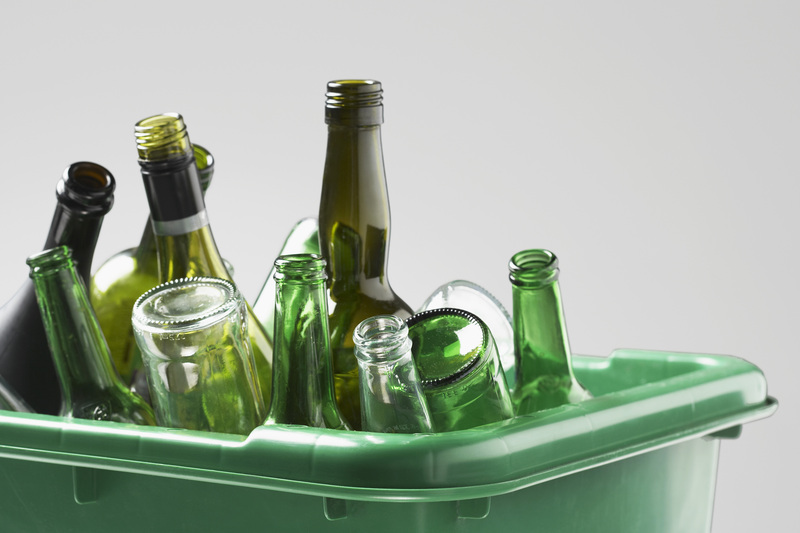
The first step in the glass recycling process is the collection of waste glass. Communities often have designated recycling bins or centers where glass can be disposed of separately. It's important for consumers to sort their glass by color when disposing of it, as this will play a significant role later in the recycling process.
Sorting and Cleaning
Once the glass reaches the recycling facility, it undergoes a thorough sorting and cleaning process. Sorting typically involves separators and conveyor belts that distinguish glass by color into clear, green, and brown. This separation is crucial because mixing different colors can affect the quality of the final product.
Cleaning the glass involves removing contaminants such as lids, labels, and residues. Proper cleaning ensures the quality of the recycled glass or cullet.
Crushing and Grinding
After sorting and cleaning, the glass is crushed and ground into small pieces known as cullet. This step breaks down the glass, making it easier to melt and reform. Cullet is the primary raw material in the glass recycling industry, as it mixes well with new raw materials.
Melting and Molding
The cullet is then mixed with sand, soda ash, and limestone and sent to a furnace. Here, it is melted at temperatures reaching up to 2,700 degrees Fahrenheit (1,482 degrees Celsius). The molten glass is then molded into new products such as bottles, jars, and other glass items.
Innovation and Technological Advances in Glass Recycling
Recent advancements in technology have greatly enhanced the efficiency and output of glass recycling processes.
Color Sorting Technologies
Modern facilities now employ optical sorting machines capable of distinguishing glass colors automatically and with high precision. These machines use cameras and sensors to ensure the perfect blend, reducing contamination and improving quality control.
Automated Systems
Automatic cleaning and separation systems have made glass recycling faster and more efficient. This automation reduces labor costs and shortens processing times, allowing facilities to process larger volumes of glass.
The Environmental and Economic Impact of Glass Recycling
When examining the impact of glass recycling, it is important to consider both the environmental and economic benefits.
Environmental Impact
- Resource Efficiency: Reducing the need for new raw materials ensures the conservation of natural resources.
- Waste Reduction: Efficient recycling minimizes the volume of waste headed to landfills.
- Lower Carbon Emissions: Because recycling is less energy-intensive, it significantly cuts down on carbon emissions.
Economic Impact
- Job Creation: The recycling industry supports thousands of jobs across collection, processing, and sales.
- Cost Savings: Recycled glass used in manufacturing reduces the costs associated with energy and raw material procurement.
- Market Growth: Sustainability initiatives have fostered growth in recycled product markets, driving the demand for recycled materials.
Challenges in Glass Recycling
Despite its benefits, glass recycling faces several challenges that require resolution for the industry to thrive.
Contamination Issues
One of the primary challenges is contamination. Non-glass materials in recycling bins can contaminate batches, reducing the quality of recycled glass and increasing processing costs.
Economic Viability
The costs associated with the transportation and processing of glass can sometimes outweigh the benefits, especially for remote areas.
Fluctuating Market Prices
The market value of recycled glass can be volatile, affecting the economic stability of recycling programs.
Conclusion: Embracing a Circular Economy
The successful recycling of glass is a step towards a circular economy, where materials are reused, recycled, and recovered. This approach reduces waste, conserves resources, and fosters a sustainable environment for future generations.
To reap the full benefits of glass recycling, collaboration between communities, industries, and governments is crucial. By making small changes in how we handle our waste glass and supporting recycling programs, we can play a significant role in promoting sustainability.
Glass recycling is not just an environmental responsibility but an opportunity -- an opportunity to sustain our planet while also deriving economic benefits.